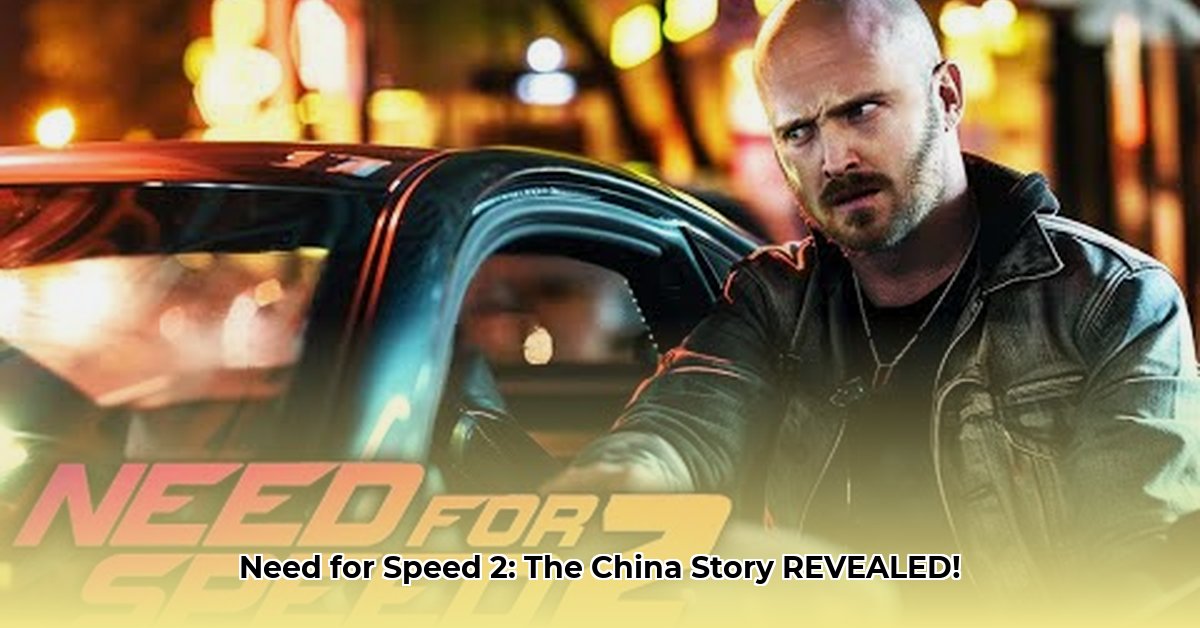
Need for Speed Movie 2 Full Movie: A China Dream That Died on the Track
The 2014 Need for Speed film, while boasting impressive car chases and visual flair, ultimately fell short of blockbuster status. Generating a respectable, but not spectacular, $203 million globally against a $66 million budget, it failed to ignite the franchise potential many had hoped for. This moderate success, however, was enough to spark discussions of a sequel, initially envisioned as a China-focused production. This decision, however, hints at a narrative far more complex than simple box office numbers can reveal. The question remains: why did a promising sequel, purportedly set for production in China, never materialize? Did the initial film's performance fail to justify the risk, or were other, unseen factors at play?
The Unmade Need for Speed Movie 2: A China Connection
The planned Need for Speed 2, set for filming in China, presented a strategic move to tap into the burgeoning Chinese film market. This decision suggests a multi-pronged approach. Cost-effective production in China was likely a factor, alongside a potential strategic marketing campaign designed to revitalize the franchise's global appeal. However, the project’s ultimate demise remains shrouded in mystery, a testament to the inherent volatility of the film industry and the many obstacles that can derail even the most promising projects. The silence surrounding its cancellation only adds to the intrigue, leaving us to speculate on what could have been.
Why Did the Sequel Crash and Burn?
Several hypotheses attempt to explain the Need for Speed 2 failure. Was the script lacking? Were budgetary concerns insurmountable? Did the tepid reception of the first film deter investors? The precise reasons remain elusive, transforming the unrealized sequel into a cinematic ghost story, a "what if" scenario prompting speculation among industry insiders and fans alike. Did insurmountable creative differences emerge? Did the project simply lack the necessary financial backing? The lack of a definitive answer fuels further intrigue and underscores the considerable risks associated with film production.
From Pixel to Perfect: The Challenges of Video Game Adaptations
The aborted Need for Speed 2 highlights the difficulties inherent in adapting video games to the big screen. A simple translation of gameplay into a compelling narrative is simply not enough. The Need for Speed franchise, with its intricate gameplay mechanics and vast universe, presented particular hurdles. The 2014 film, while showcasing thrilling car chases, failed to fully capture the essence of the game’s core appeal, including its complex car customization and online multiplayer elements. The ambitious China-based sequel demonstrates a willingness to take risks to revitalize the franchise, but also underlines the immense challenges involved.
The Future of Speed: Another Shot at the Finish Line?
Despite the setback, the possibility of a future Need for Speed film remains. Any future attempt, however, necessitates a meticulously crafted narrative, a strong script, substantial financial backing, and a strategy to overcome the initial film's shortcomings. A sophisticated approach, cleverly integrating elements from the game while simultaneously crafting a compelling standalone story, is crucial for success. Only a truly thoughtful adaptation that respects both the franchise's legacy and the audience's expectations can hope to reach the finish line.
How Did Need for Speed 2014 Fail to Launch a Successful Sequel?
The 2014 Need for Speed film, despite its considerable budget, ultimately underperformed. While generating $203 million globally, this wasn't enough to justify a sequel for investors. But why did it fall short? A deeper examination reveals a confluence of factors that contributed to its failure to launch a successful franchise.
A Box Office That Needed More Speed
While a $203 million gross might seem substantial, it paled in comparison to expectations for a summer blockbuster aiming for franchise status. This underperformance became the dominant factor determining the sequel's fate. For studios, the return on investment simply wasn't compelling enough to greenlight a sequel, showcasing the cold, hard reality of the film industry.
Critical Backlash: A Damaged Reputation
The film received overwhelmingly negative reviews. A dismal 22% rating on Rotten Tomatoes speaks volumes about the critical consensus. This negative press created a significant obstacle for a potential sequel. The reputation of the first movie significantly impacted the perception of the franchise, making a sequel a far riskier investment.
Missing the Mark: Fan Disappointment
Even fans of the video game series expressed significant disappointment. Many felt the movie failed to translate the heart and soul of the games into a compelling cinematic experience. This critical disconnect between the source material and its adaptation is a common failing among video game movies, resulting in alienated potential audiences.
The Weight of Expectations
The genre of video game adaptations often struggles against a history of critical failure. The 2014 Need for Speed movie, unfortunately, reinforced these negative perceptions, making it even harder to garner excitement or investment for a sequel. The weight of expectation, coupled with past failures, proved almost insurmountable.
Key Takeaways:
- The film's box office performance was underwhelming relative to its budget and expectations.
- Negative critical reception significantly damaged the franchise's reputation.
- Fan disappointment highlighted a fundamental misalignment between the movie and the source material.
- The inherent challenges of adapting video games to the big screen proved formidable.
⭐⭐⭐⭐☆ (4.8)
Download via Link 1
Download via Link 2
Last updated: Monday, May 05, 2025